
Midsummer Impact Report
2022 Corporate Impact Report of Midsummer AB, manufacturing company, producer of light weight and flexible thin film solar panels.
Co-authored with Helena Lovén and Midsummer team.

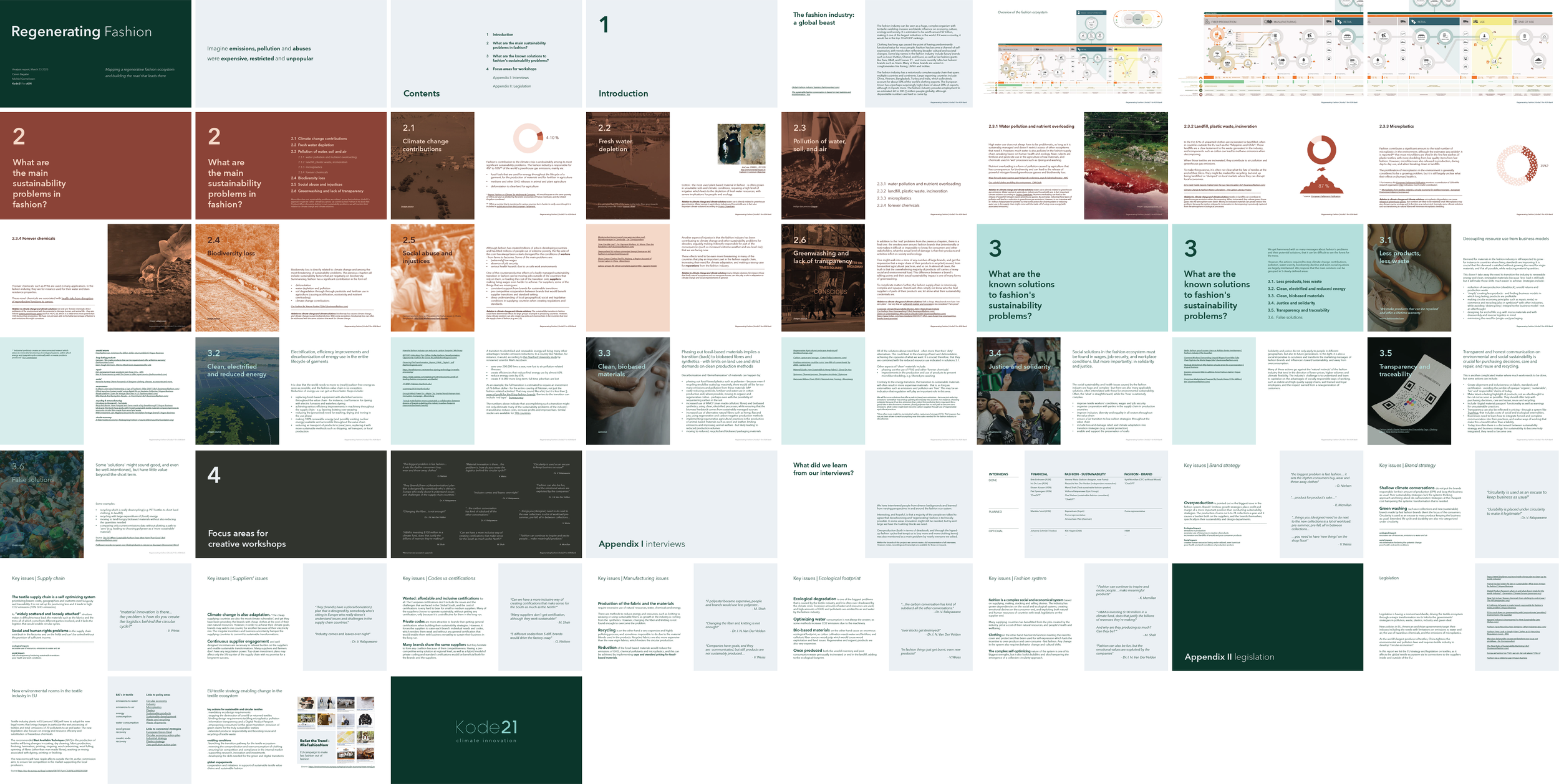
Regenerating Fashion
GHG emissions, depleted fresh water resources, water-soil-air pollution due to nutrient overloading, landfill incineration, plastic and microplastics waste, forever chemicals, biodiversity loss, social abuse and injustices, and greenwashing
Fashion industry is responsible for 4-10% of global carbon emissions, 20% of industrial water pollution, and 35% of ocean microplastic pollution; and with around $2 trillion, it is one of the largest industries in the world.
A global outlook to the fashion industry (within Kode21 for ASN Investment Bank), to assess its ecological and social impacts and identify key areas to regenerate for a climate positive future.
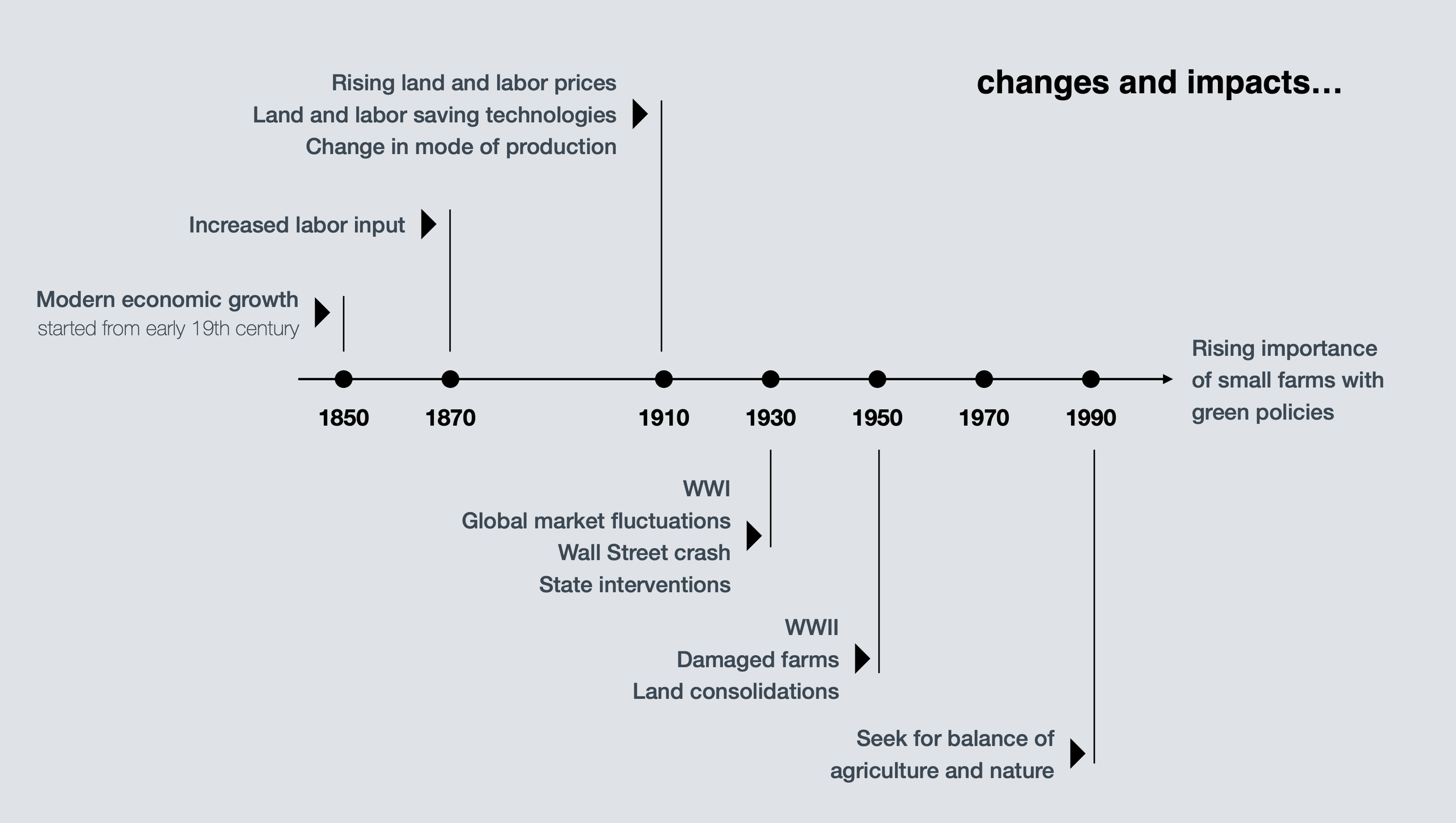
Rise, fall and revival of small farms in Western Europe
The 20th century has seen drastic changes for small farms in western Europe starting with a golden age in the first decade and a significant decline after WWII that was supported by the western states in favour of large scale competitive industrial farms.
With increasing awareness on global food security, small farms have re-gained global attention, due to their importance in the food systems, providing food security, protecting the landscape and the environment, improving resilience in the community, and contributing to the local economy.
This is an academic coursework, written under the single subject course of 20th Century Agricultural Economy and Politics in Swedish University of Agricultural Sciences, Sweden, 2021
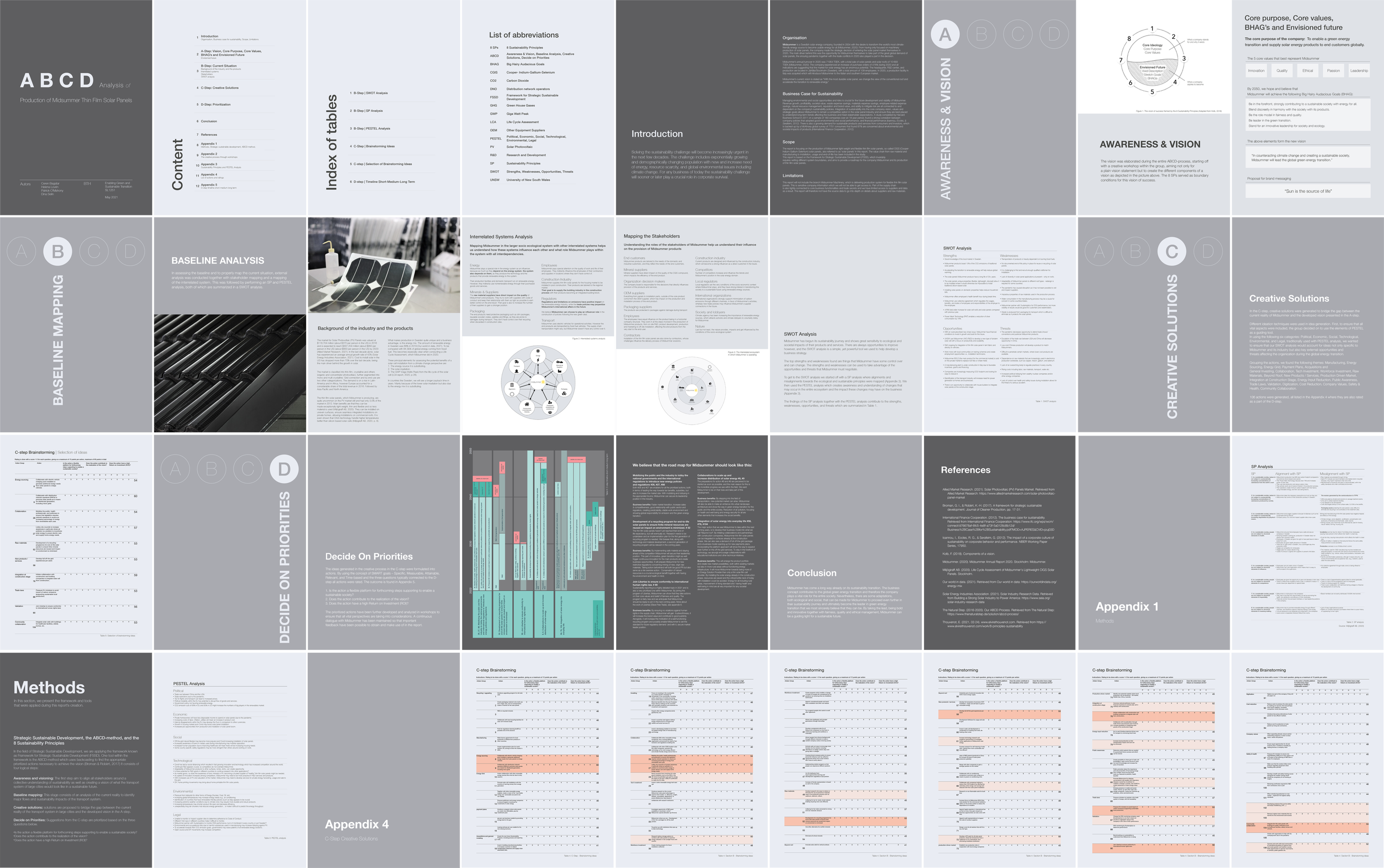
ABCD for Strategic Development
This is a coursework done in Blekinge Institute of Technology, conducting ABCD backcasting method to create a roadmap in achievement of a sustainable vision for Midsummer AB, producer of light weight and flexible thin film solar panels, so called CIGS (Cooper Indium-Gallium-Selenium).
The study applies the Framework for Strategic Sustainable Development (FSSD), (Broman & Robèrt, 2017)
Co-authored in 2021 with Helena Lovén, Patrick O’Mahony and Dina Selin
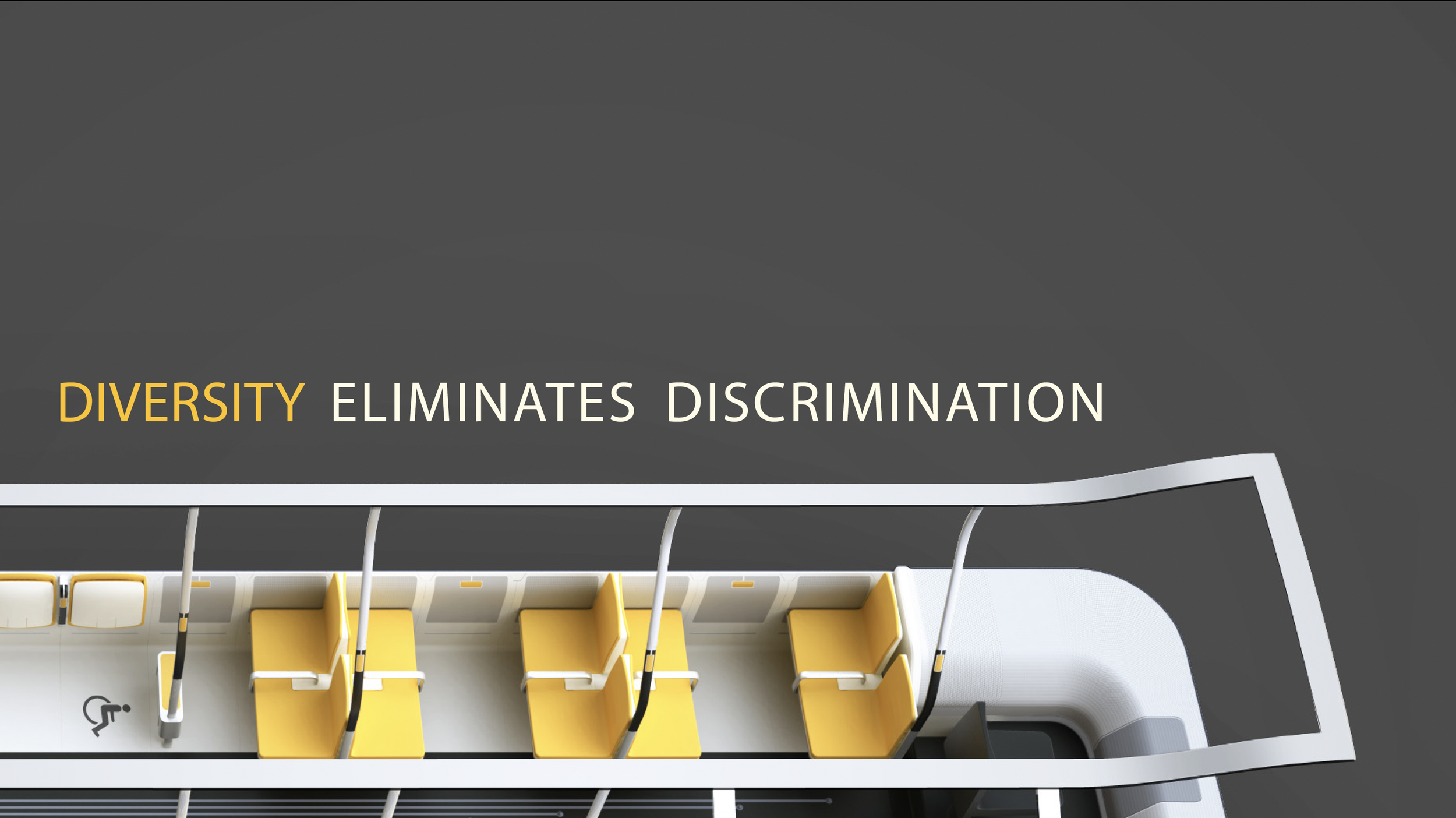
Accessible City Bus
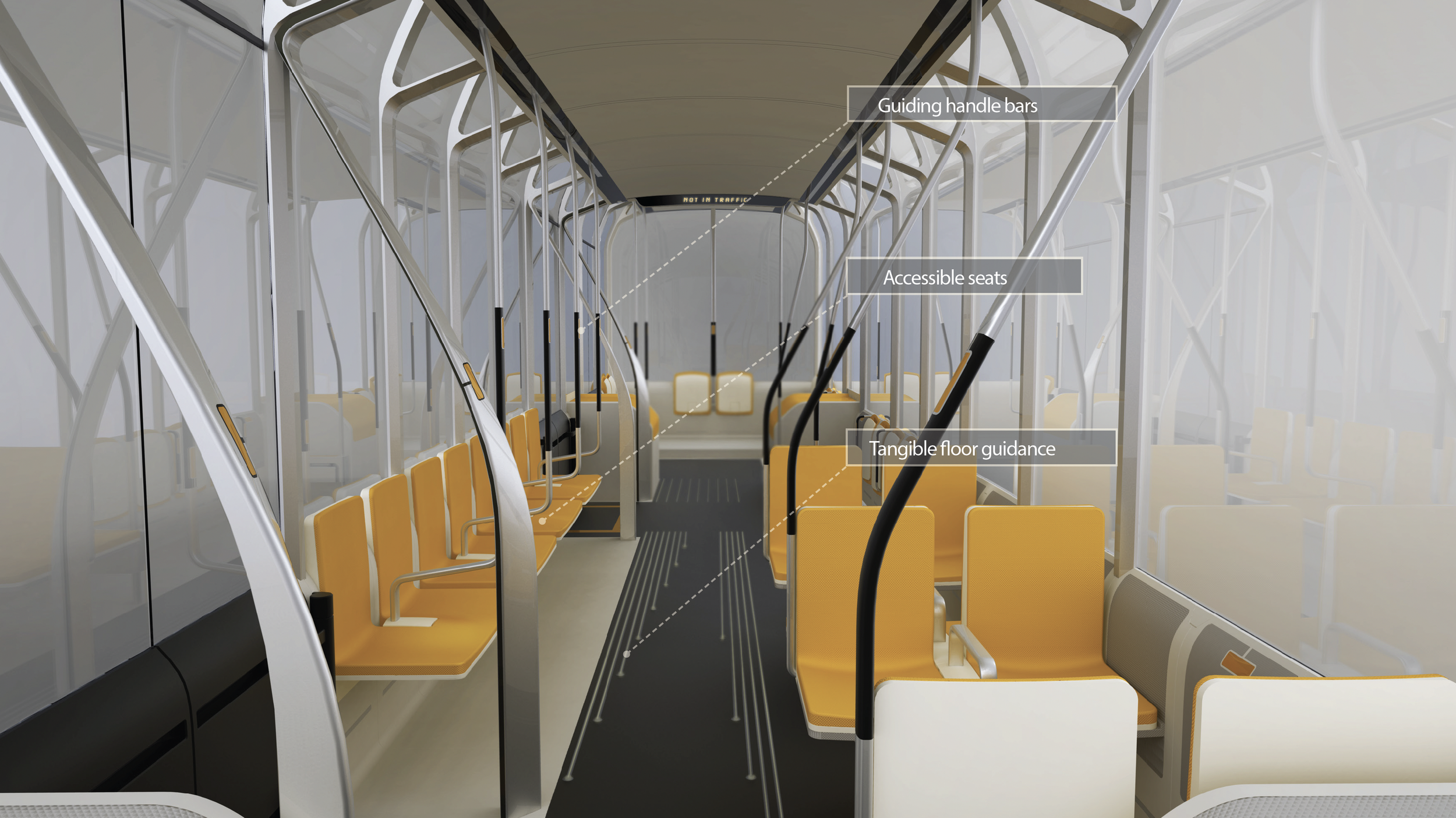
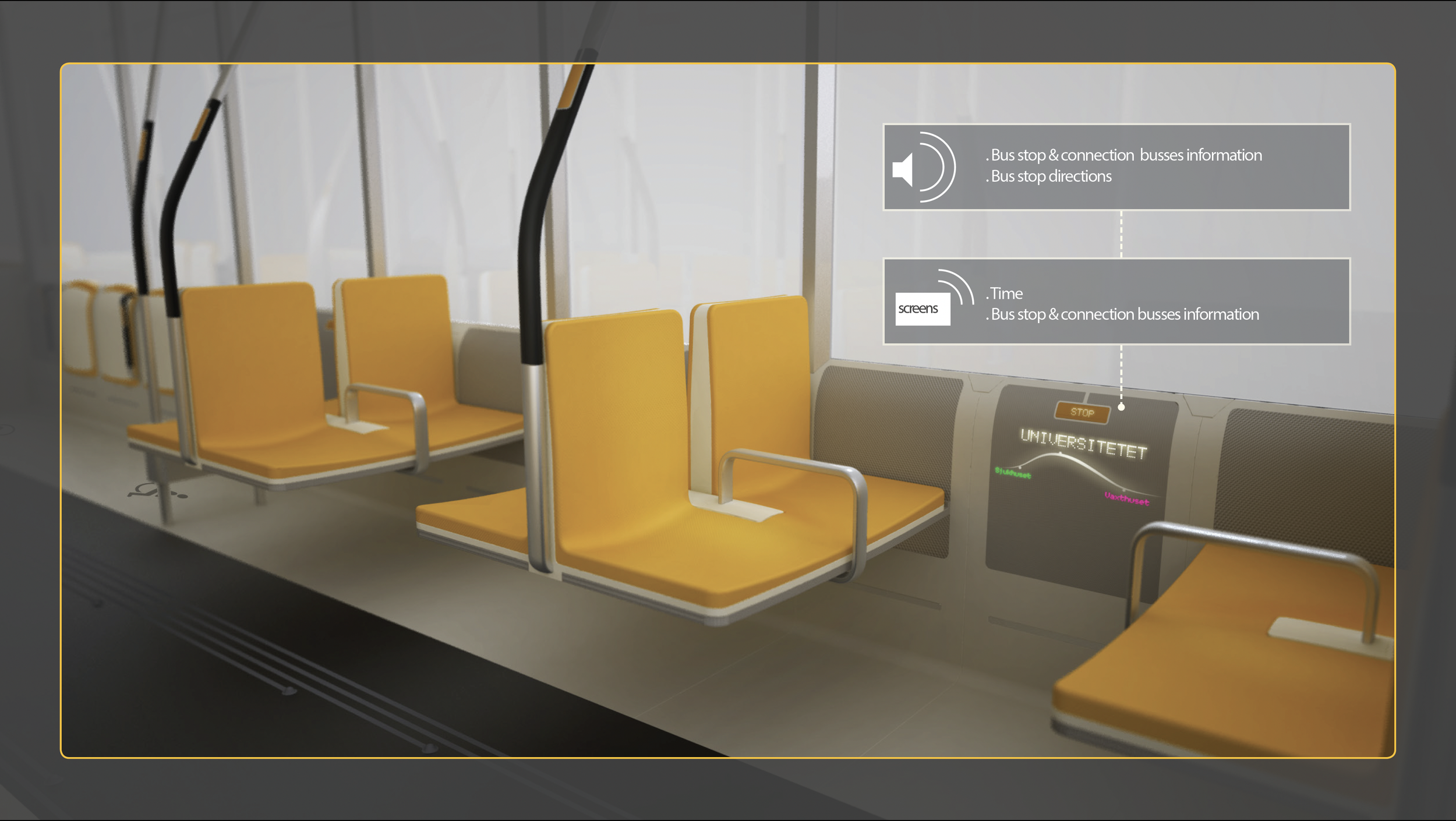
Master’s Thesis in Advanced Product Design programme at Umeå Institute of Design, 2009
The idea of Accessible City Bus started at the municipality of Umeå in 2008, when the city’s public transport company purchased 17 new city buses that performed very poor in accessibility.
The thesis is done in collaboration with the municipality, to identify user requirements and show case a design example for an inclusive public transport service that meets the needs of a diverse society.
The project comprises an extensive research through interviews with experts and users, photo diaries, user shadowing, and an iterative creative process of prototyping, product architecture and form development.