
Impact Report for Midsummer AB
Midsummer’s sustainability work has been ongoing since the company was founded in 2004 as a producer of light weight and flexible thin film solar panels, so called CIGS (Cooper Indium-Gallium-Selenium).
The 2022 Impact Report provides better transparency on the company’s activities, vision, and measures on sustainability.
The impact report was co-authored with Helena Lovén and Midsumme Team, and designed by Ceren Bagatar

Our goal was to reflect Midsummer’s well established values and their role in the global solar panel industry.
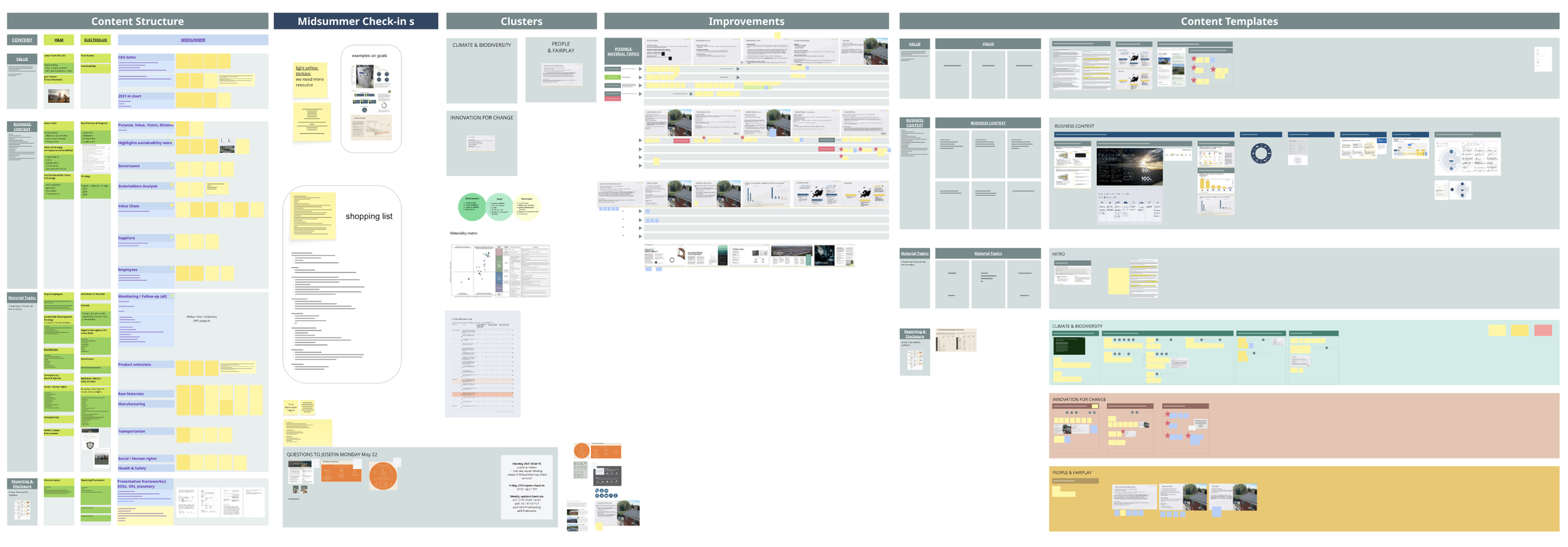
A thorough analysis was conducted to highlight three material topics transitioning the company and the society towards a climate positive future.
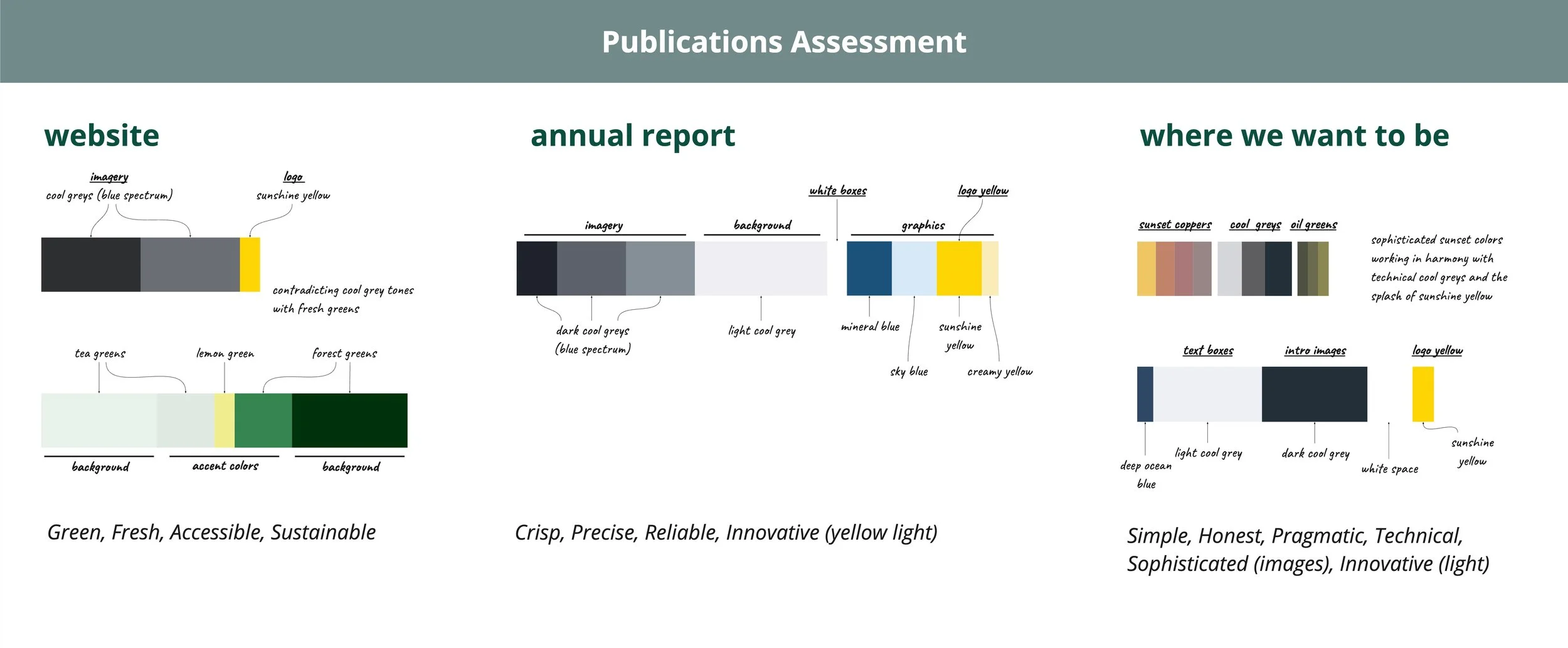
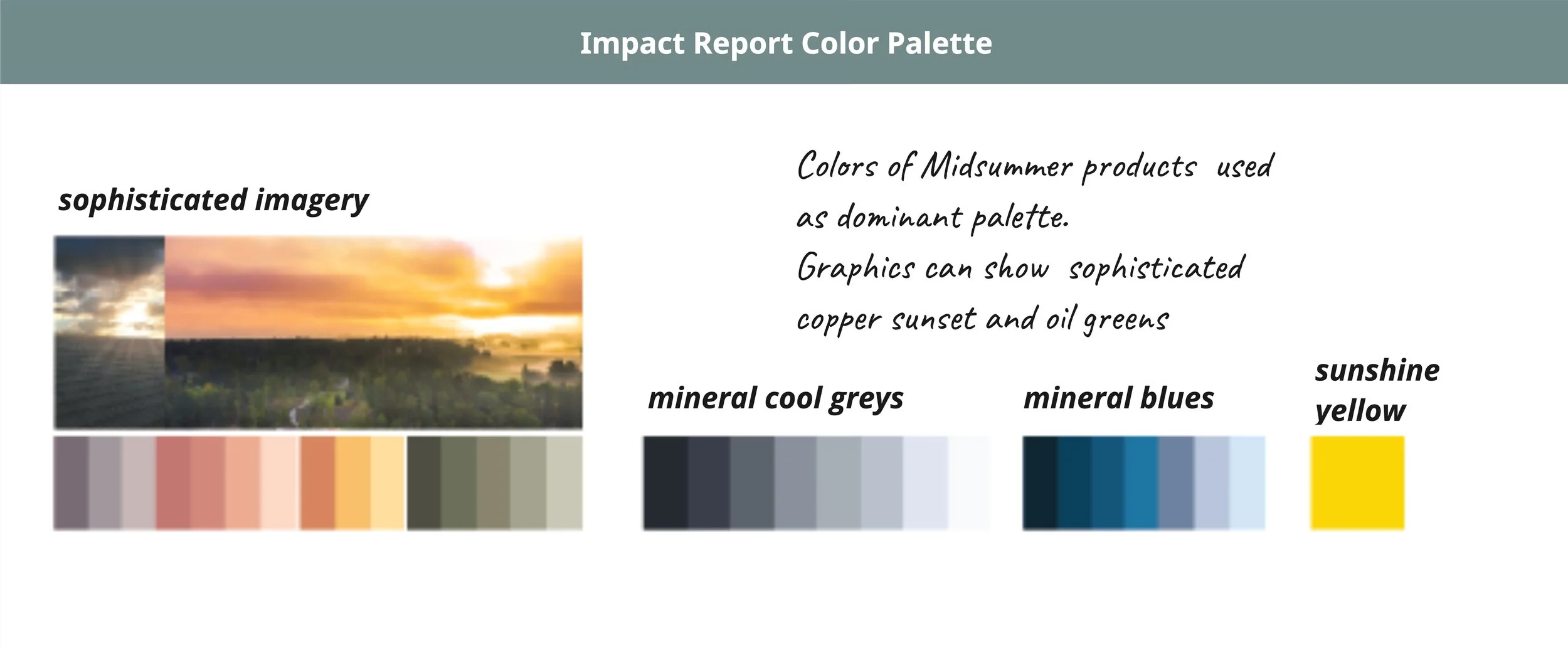
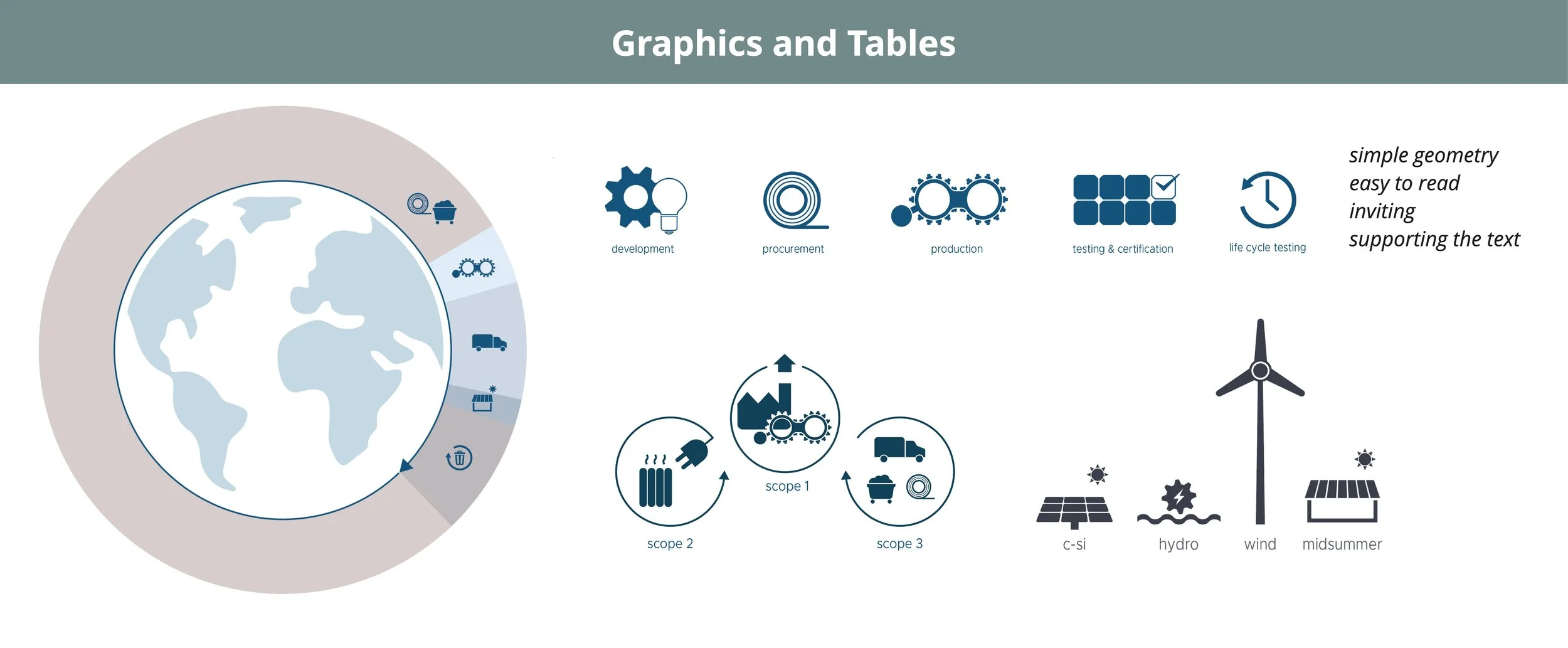
The design of the report comprised the tone of copy language, the visual attributes, the color palette and the illustrations, to invite the reader and improve comprehension of the complex information.
Climate Solutions in Healthcare
What if hospitals weren't just repair centers focused on fixing damage after it's done, but lighthouses of wellbeing—providing preventive care and become showcases of climate positive health that inspire all of society?
At Kode21, we developed a climate solutions value creation tool and piloted it in collaboration with Philips.
Our process involved mapping the healthcare ecosystem to identify key focus areas, ultimately integrating climate solutions that were listed by Project Drawdown, and drive shared value for hospitals, clinicians, patients, and the business."
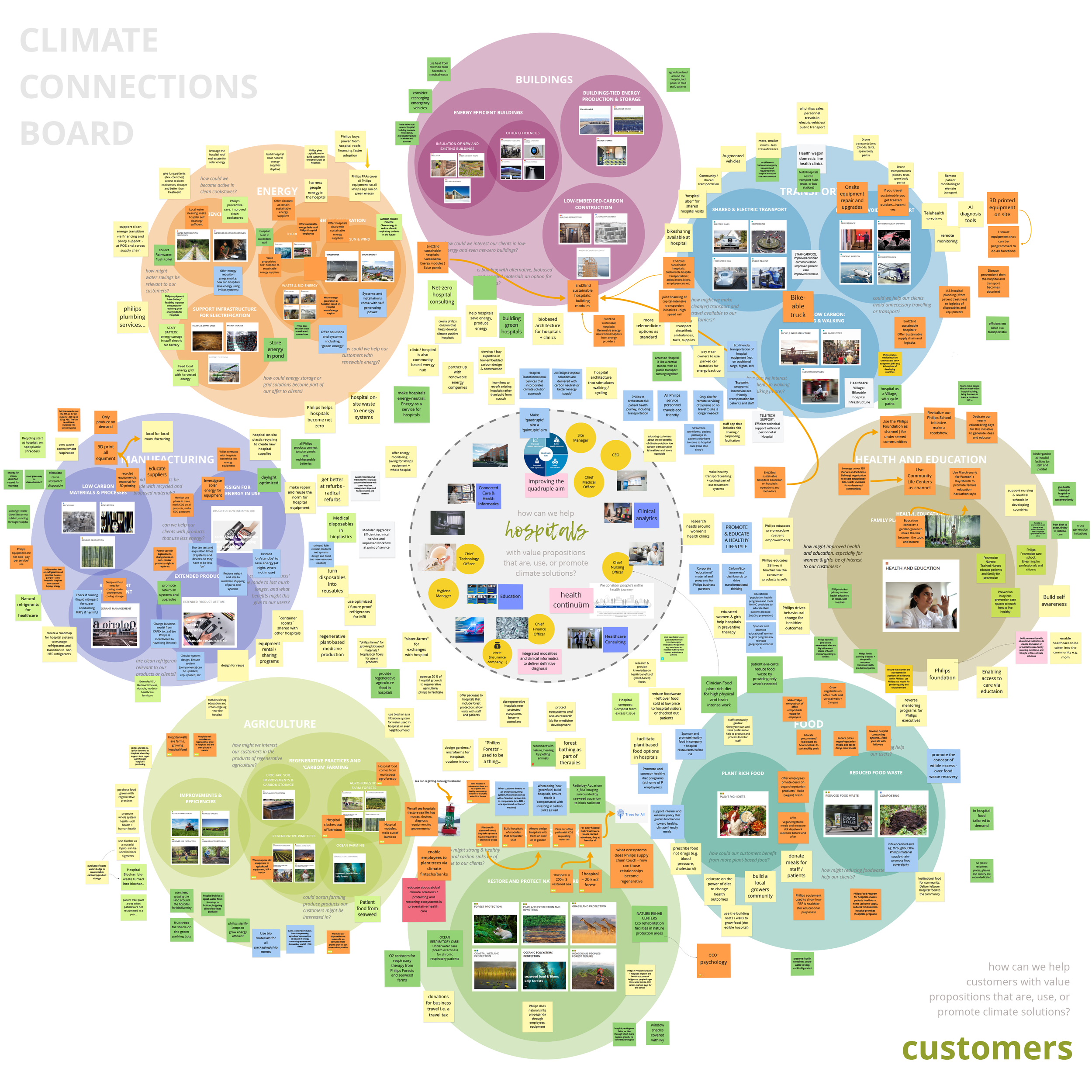
imagine a hospital that serves as a center for healthy living…
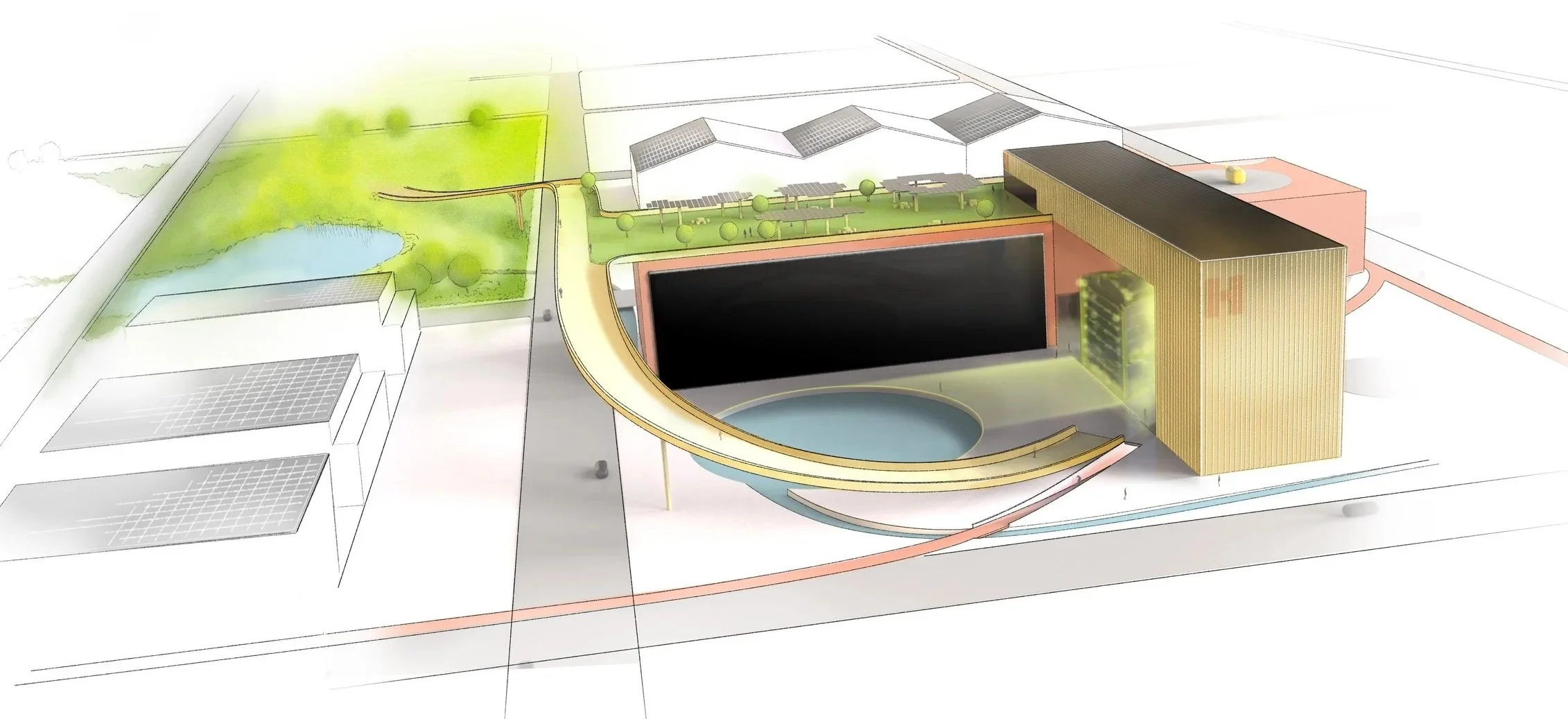
A bridge to nature, and a vital timeout —all while acting as a renewable energy hub for the entire community.
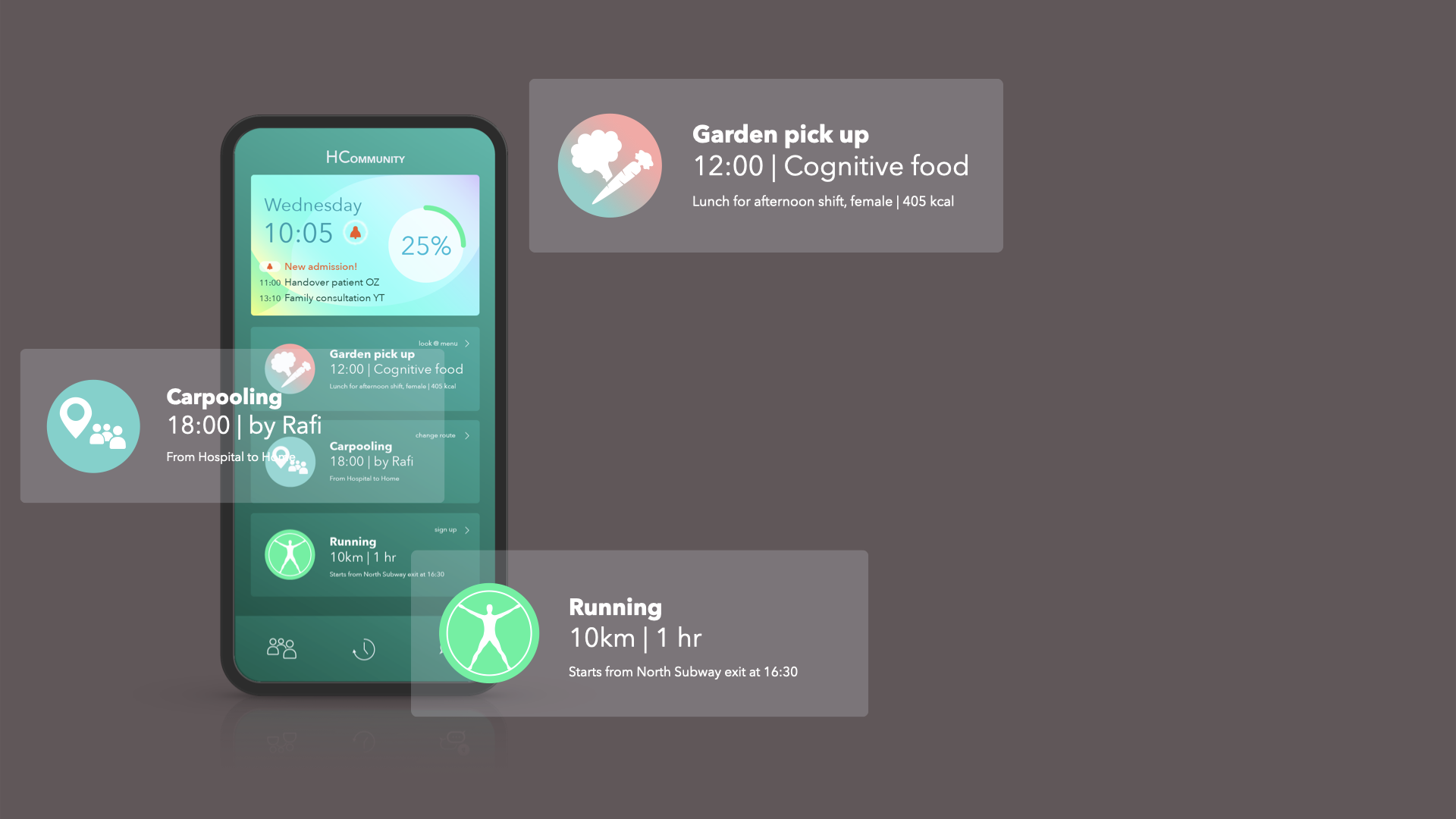
A health-nudging app designed specifically for hospital staff.
From energizing 'brain food' to cycle-commute coordination, it provides the tools to help clinicians thrive during demanding shifts—empowering them to lead by example as role models for their patients.

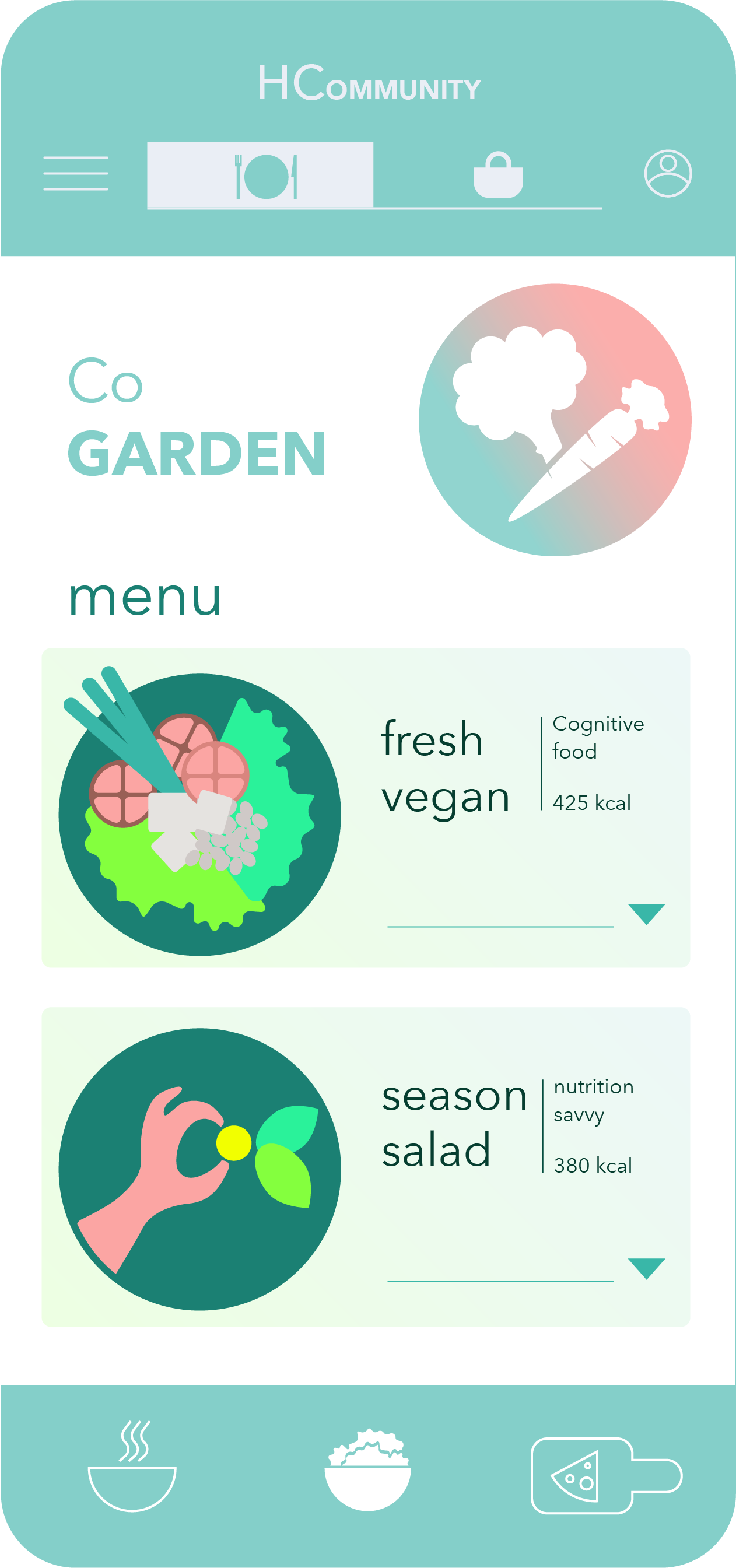
24/7 accessible vertical food garden for the health staff
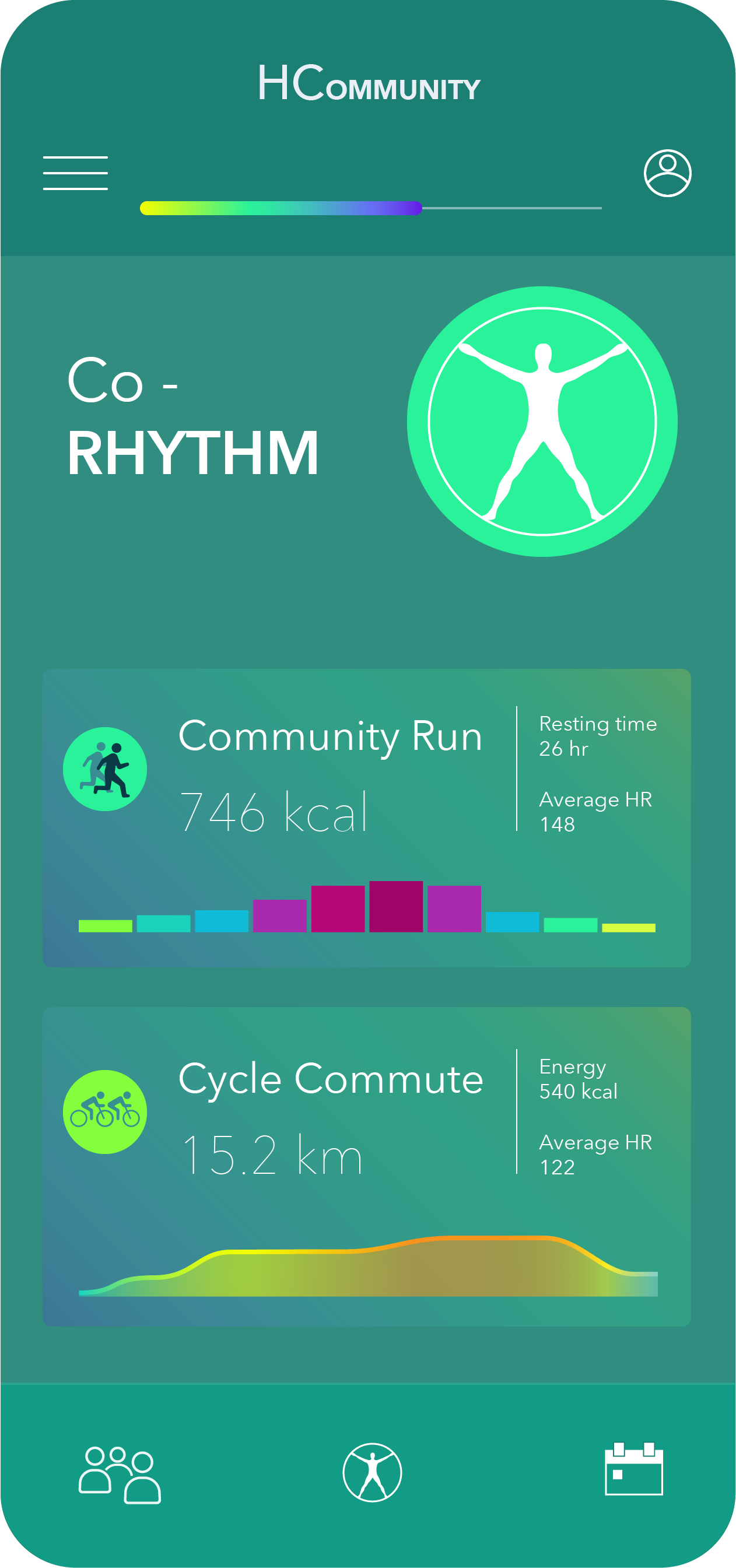
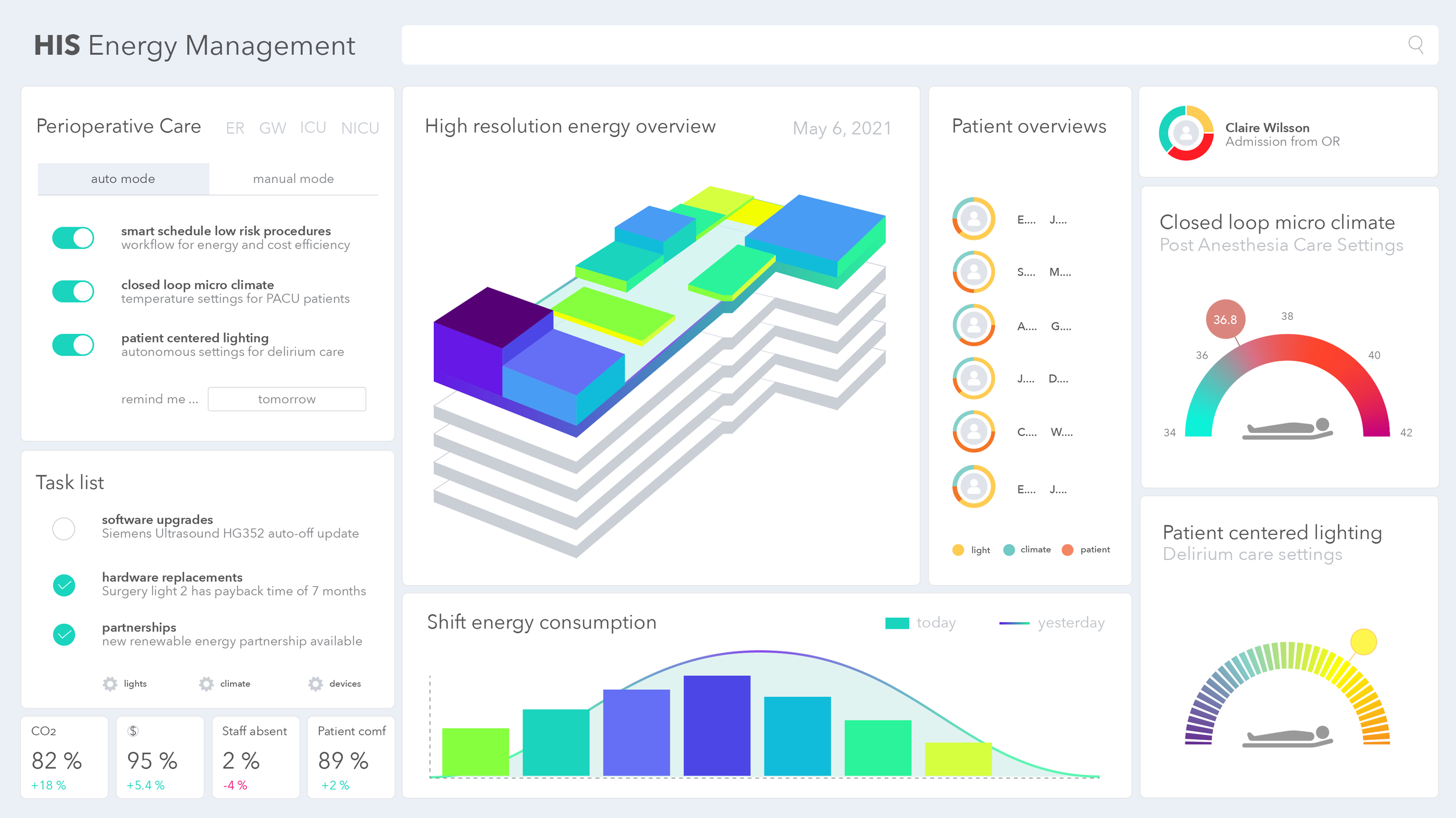

An energy dashboard providing granular insight and intelligent control,
designed to minimize consumption by delivering optimized conditions per patients based on real-time context
Global Fashion Report
GHG emissions . depleted fresh water . water-soil-air pollution . landfill incineration . forever chemicals . plastic and microplastics waste . biodiversity loss . social abuse and injustices
Fashion industry is responsible for 4-10% of global carbon emissions, 20% of industrial water pollution, and 35% of ocean microplastic pollution; and with around $2 trillion, it is one of the largest industries in the world.
A global outlook to the fashion industry (within Kode21 for ASN Investment Bank), to assess its ecological and social impacts and identify key areas to regenerate for a climate positive future.
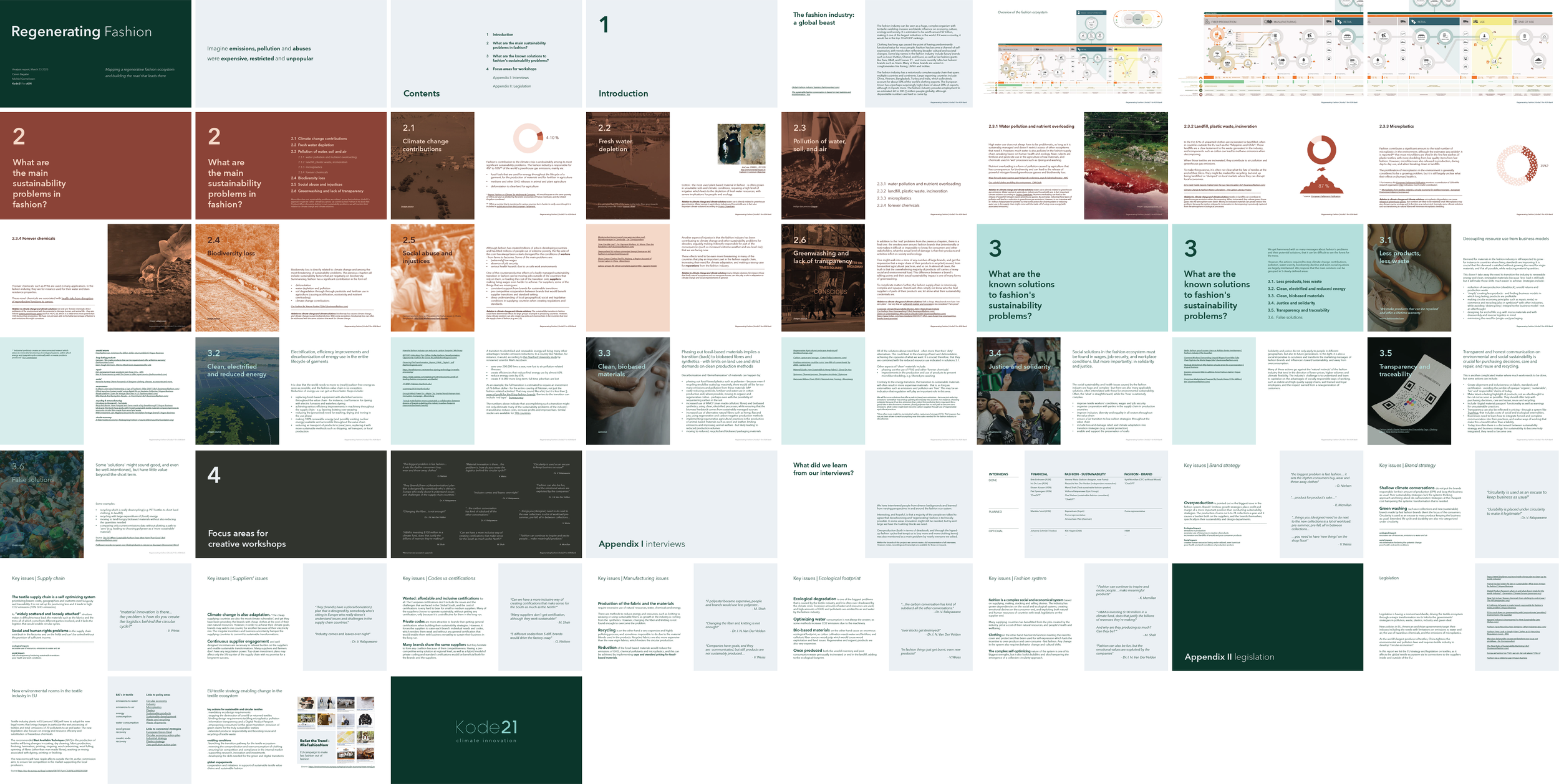
The impact of global fashion industry, interviews with diverse stakeholders, and qualitative and secondary research.
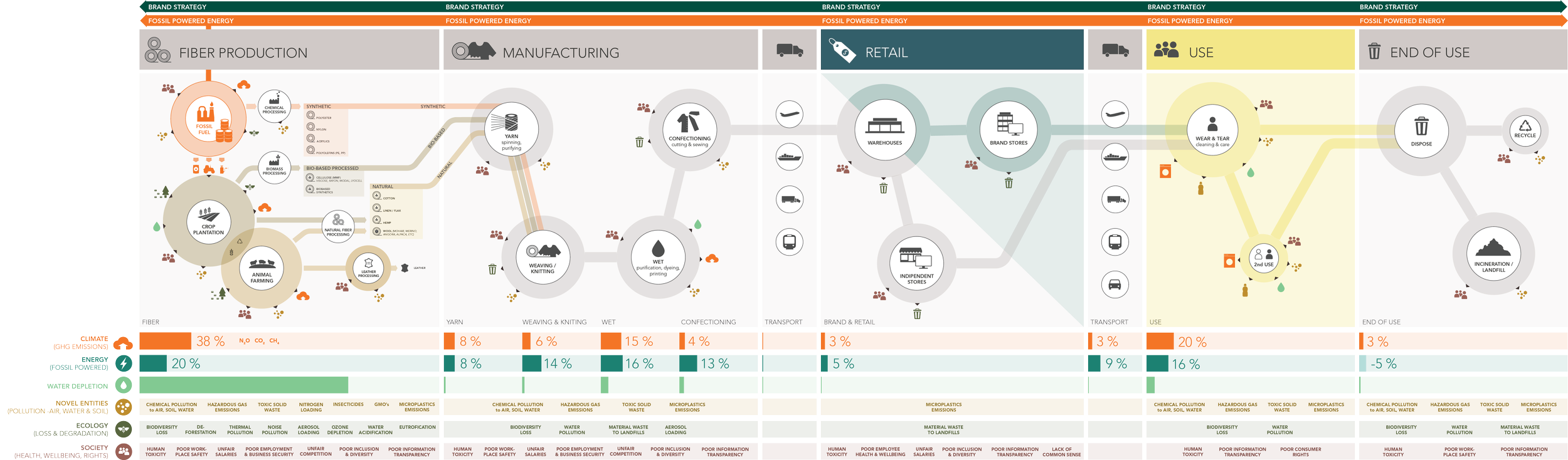
End to end value chain map presenting environmental and social impacts of the global fashion industry
Repairing our food systems
In the midst of the pandemic, tons of crops were left to rot on farms globally, due to the transportation blockages, the international labor shortages, and the close down of the industrial food sector.
A broad analysis of the current food system was presented at Innovation Cafe Eindhoven, highlighting its impacts, the weak spots, and the movements of resilience in the food production and consumption landscape.
Watch the keynote presentation on the issues we are facing in our food systems today, streamed by Eindhoven Innovation Cafe, 2020
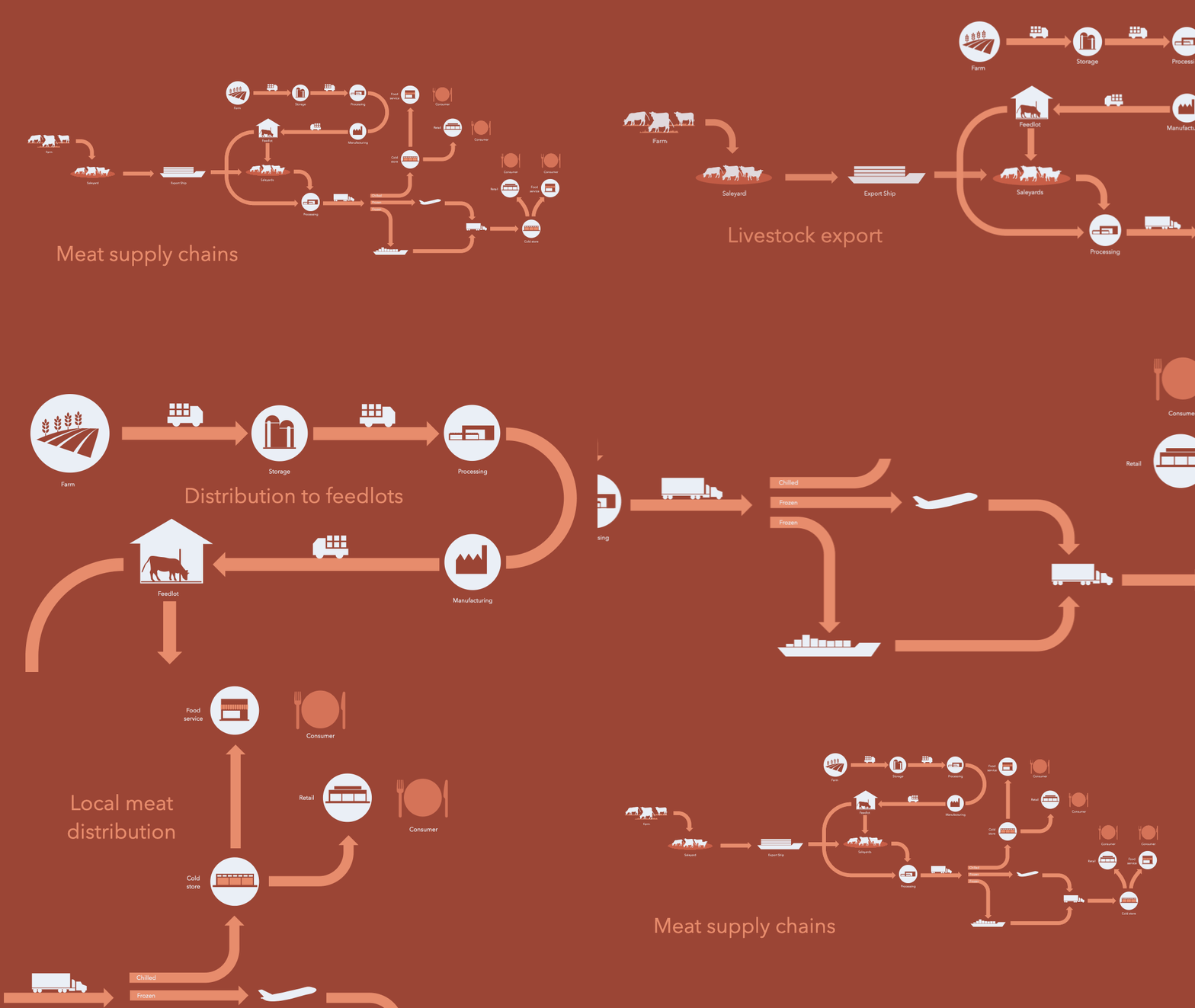
Food supply chains are dominated by large enterprises favouring large agricultural holdings which practice intense farming methods at the cost of degraded biodiversity, substantial amounts of food waste and increased GHG emissions.
The meat production itself accounts for the highest amounts of Nitrogen, methane and carbon dioxide emissions in the agricultural sector, because of its multistep supply chains. Today, meat in an ordinary grocery store is produced overseas, in closed livestock factories, fed with food, that is intensely farmed in the open lands where animals used to graze.
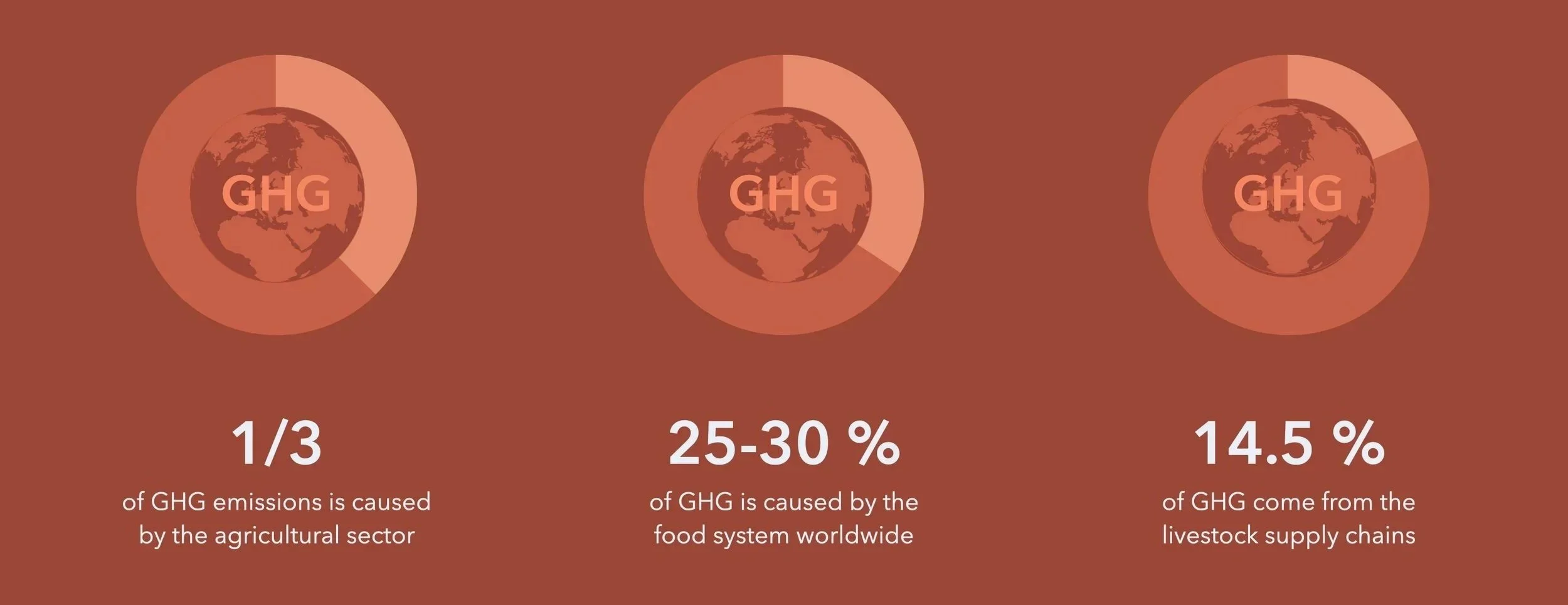
Our food is responsible for 25-30% of global green house gas emissions (GHG)
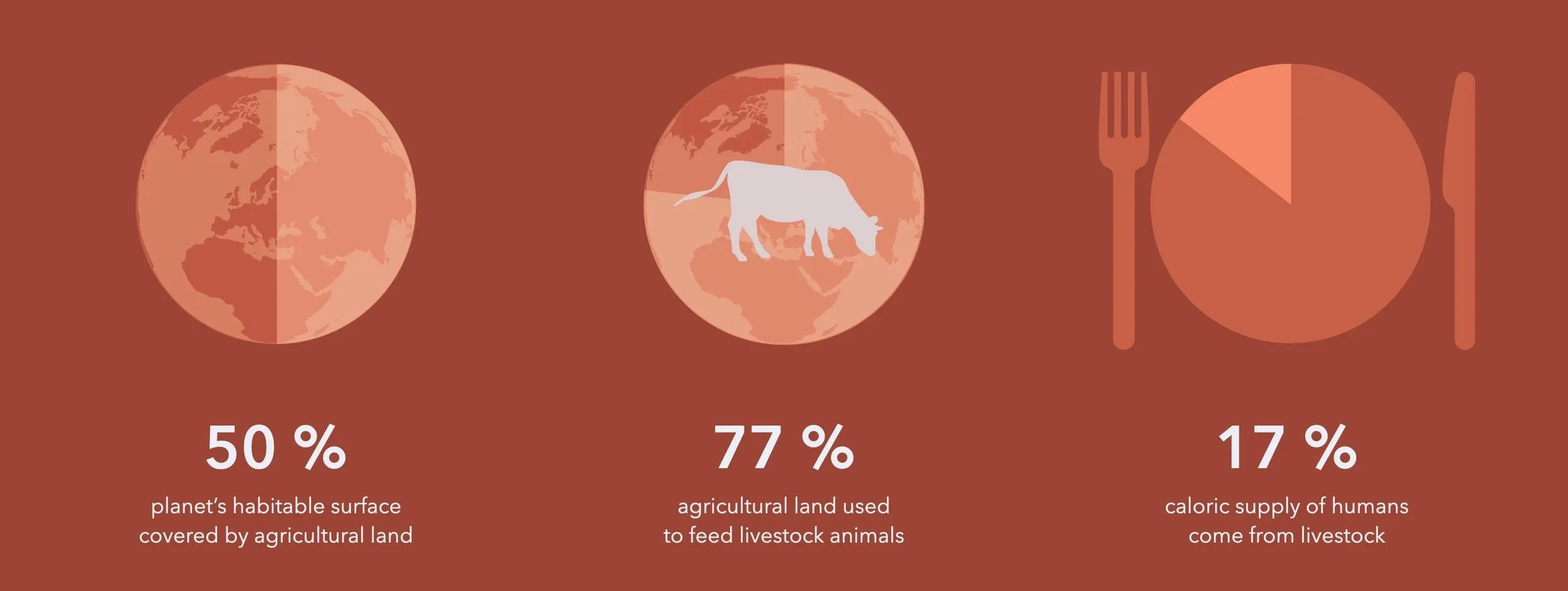
77% of the agricultural land on our planet is used “to feed” livestock animals, which provides only 17% of our caloric supply!

co-Farm
A regenerative concept model for food systems, connecting the local food producers to the consumers, and making it easy to access to healthy and fresh food options, whilst helping farmers to transition to sustainable agricultural practices.
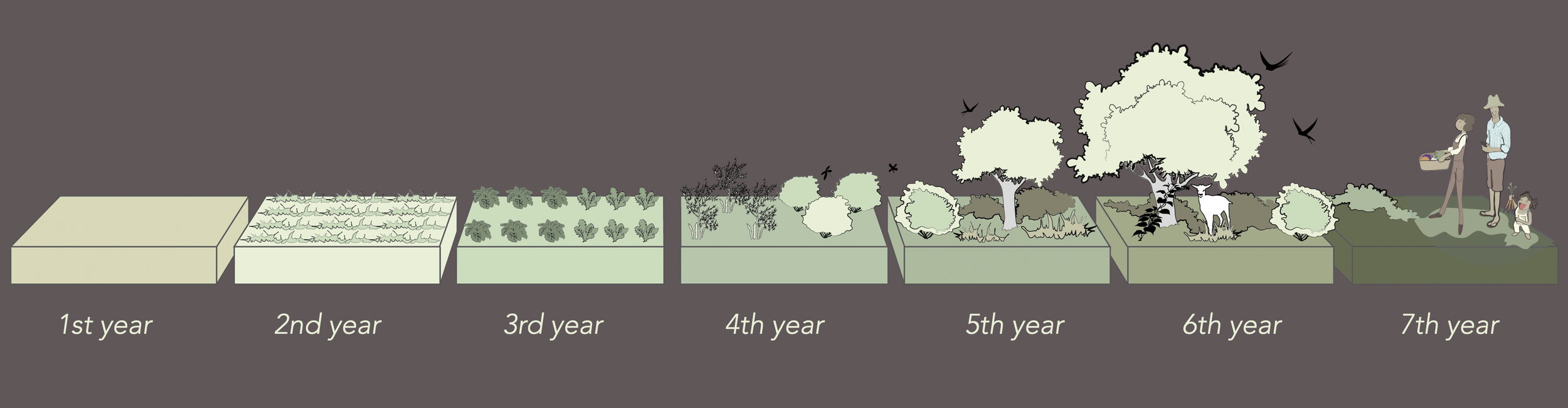
It takes 3-5 years to regenerate a depleted soil, after heavy industrial farming, and 5-10 years till the return of complex biodiversity that ensures regenerative farming.
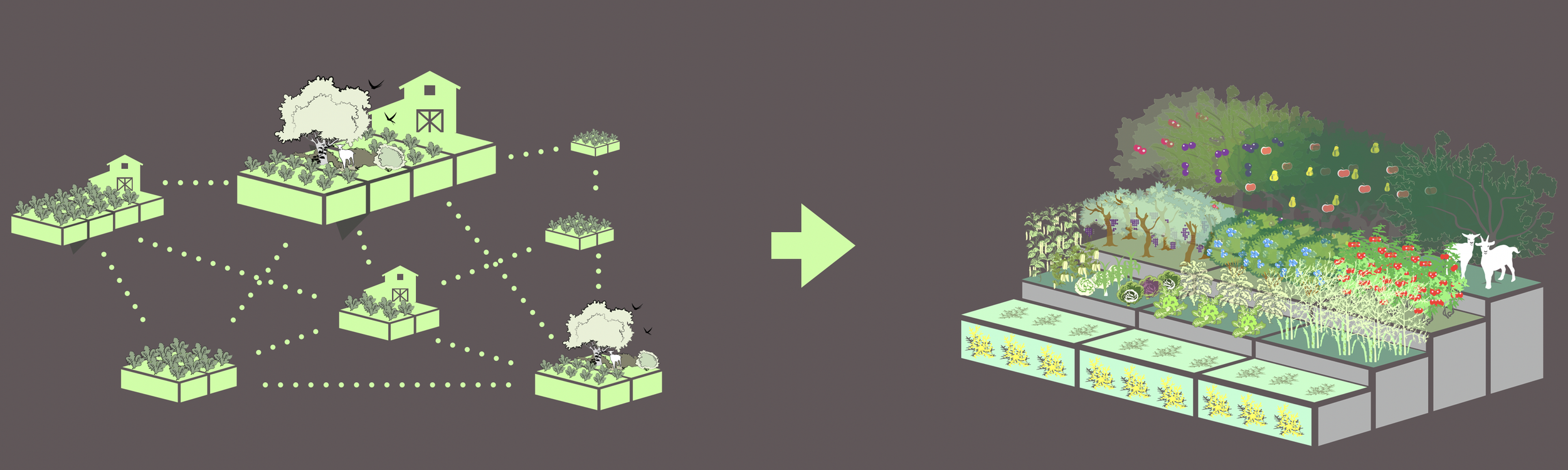
co-Farm connects small scale farms -who are willing to transition to sustainable farming, into a lush food garden of your choice.
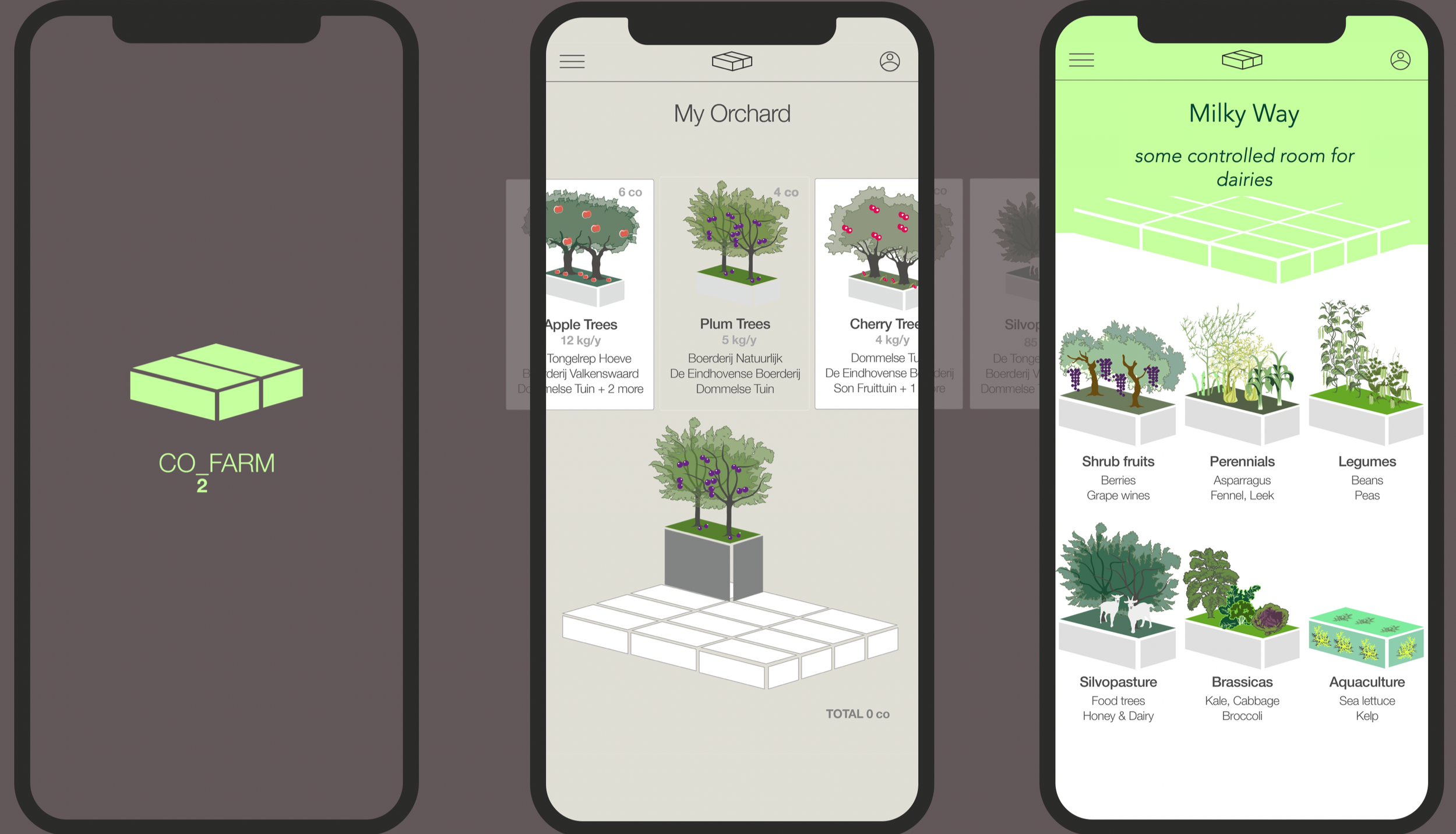
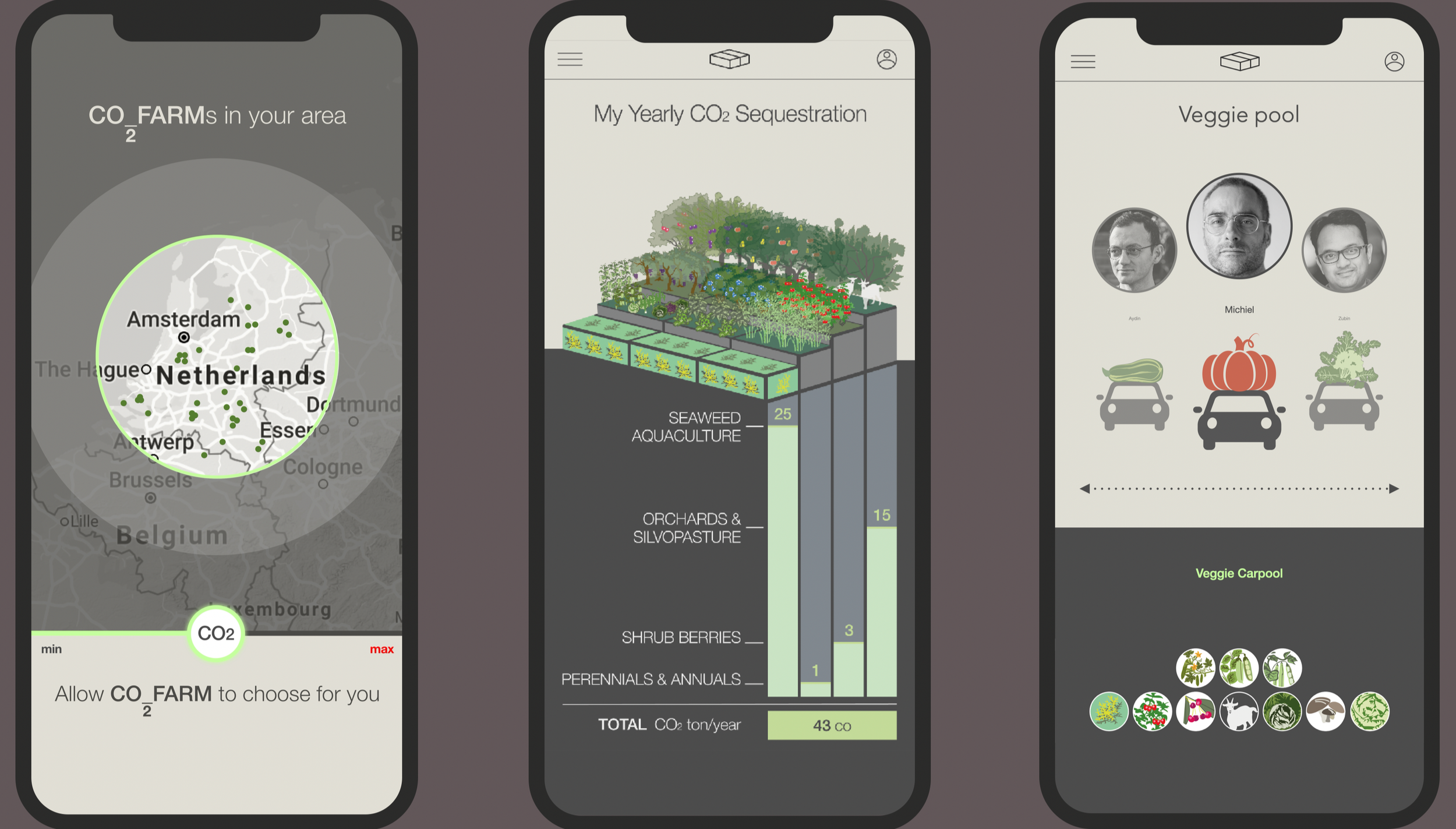
The users create their lush sustainable gardens of their choice, invest in the local farmers, follow the production and their impact, and enjoy the harvest.